By Kunle Falodun, Co-founder, House of Faith
Every generation is shaped by stories. Long before laws influence society, stories shape imagination. Long before culture changes behavior, stories normalize belief. And before children are old enough to critically process ideology, entertainment quietly begins to form their understanding of the world around them. That is why what our children watch matters.
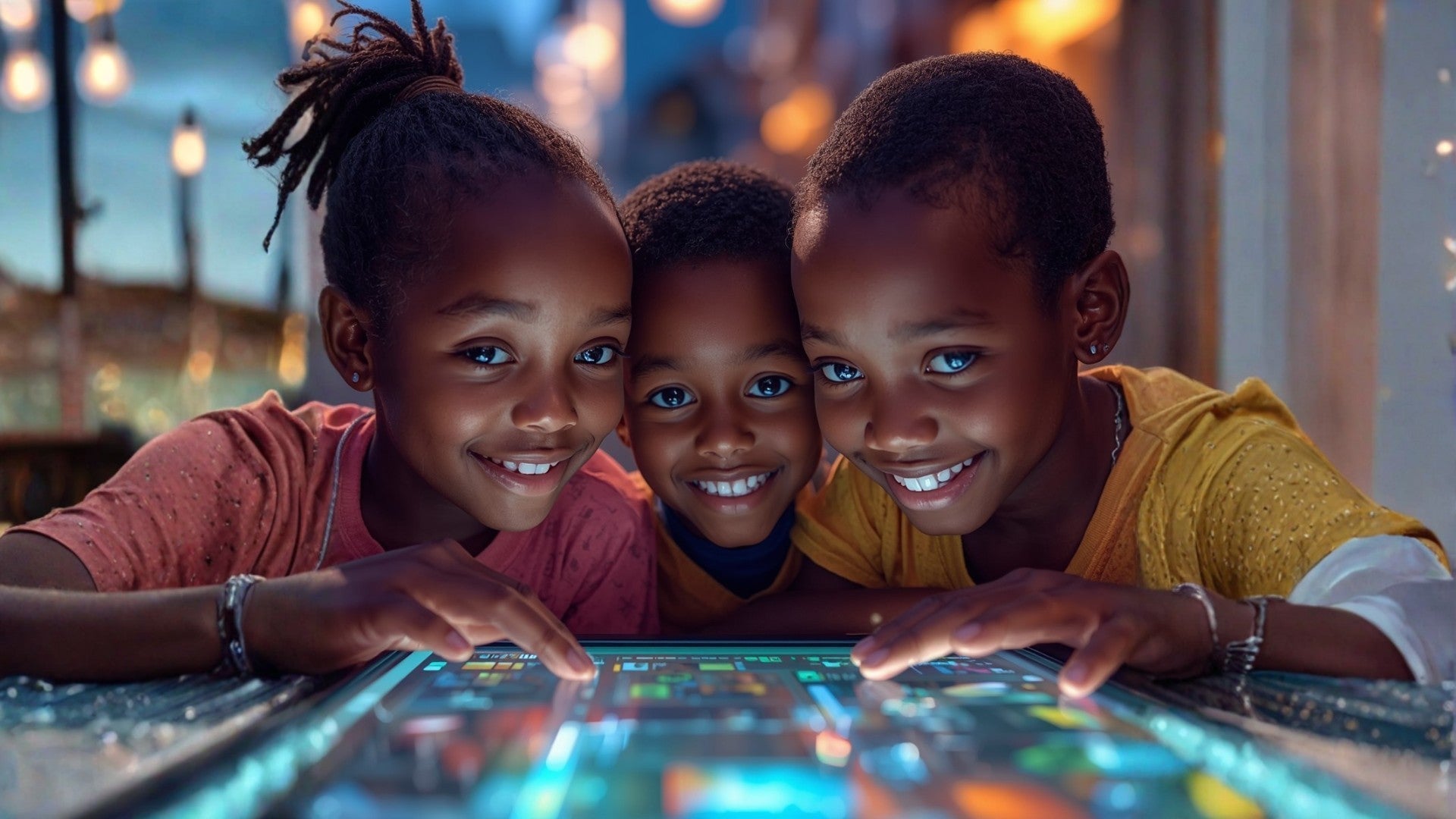
As we mark Children’s Day, I believe one of the most important conversations we can have is not only about education, healthcare, opportunity, or protection, important as all those things are but about content. Because increasingly, the world is raising children through screens.
Not long ago, during a meeting with a producer of faith-based children’s programming, I was shown examples from a globally celebrated animated series, the kind many families would consider harmless entertainment. The producer carefully walked me through recurring themes and patterns within the storytelling and explained how, subtly but consistently, the show appeared to encourage rebellion, undermine authority, and weaken parental influence within the home.
I left that conversation deeply unsettled.
Not because the production lacked creativity or quality - in many ways, it was brilliantly made. The animation was sophisticated. The writing was clever. The music was memorable. But beneath the color, humor, and spectacle were ideas I would never intentionally want shaping the hearts and minds of children I love.
Right there during the meeting, I messaged my sister-in-law and asked her to stop showing the program to my nieces.
That moment stayed with me because it reminded me how difficult parenting has become in the streaming age. Today, content no longer merely entertains children. It disciples them. It shapes how they understand identity, morality, relationships, truth, family, authority, purpose, sexuality, and even faith itself. And much of this shaping happens gradually, subtly, almost invisibly.
Many parents spend years carefully choosing schools, neighborhoods, meals, and friendships for their children while unknowingly surrendering the shaping of their imagination to algorithms and entertainment platforms.
But the truth is this: stories are never truly neutral. Every story carries values. Every song carries culture. Every animated world carries a worldview. And repetition has power. What children see repeatedly becomes familiar, and what becomes familiar eventually begins to feel true.
Which is why parents can no longer afford to be passive consumers of content. We must pay attention to what our children are watching, celebrating, laughing at, and normalizing. We cannot simply assume that because something is animated, trending, funny, or globally acclaimed, it is healthy for developing minds.
But this responsibility does not begin with children. It begins with us.
Because we cannot endlessly immerse ourselves in entertainment filled with cynicism, confusion, violence, sensuality, moral compromise, and distorted values and then act surprised when our children inherit the same appetites and worldview. Children rarely grow beyond what is consistently normalized within the home.

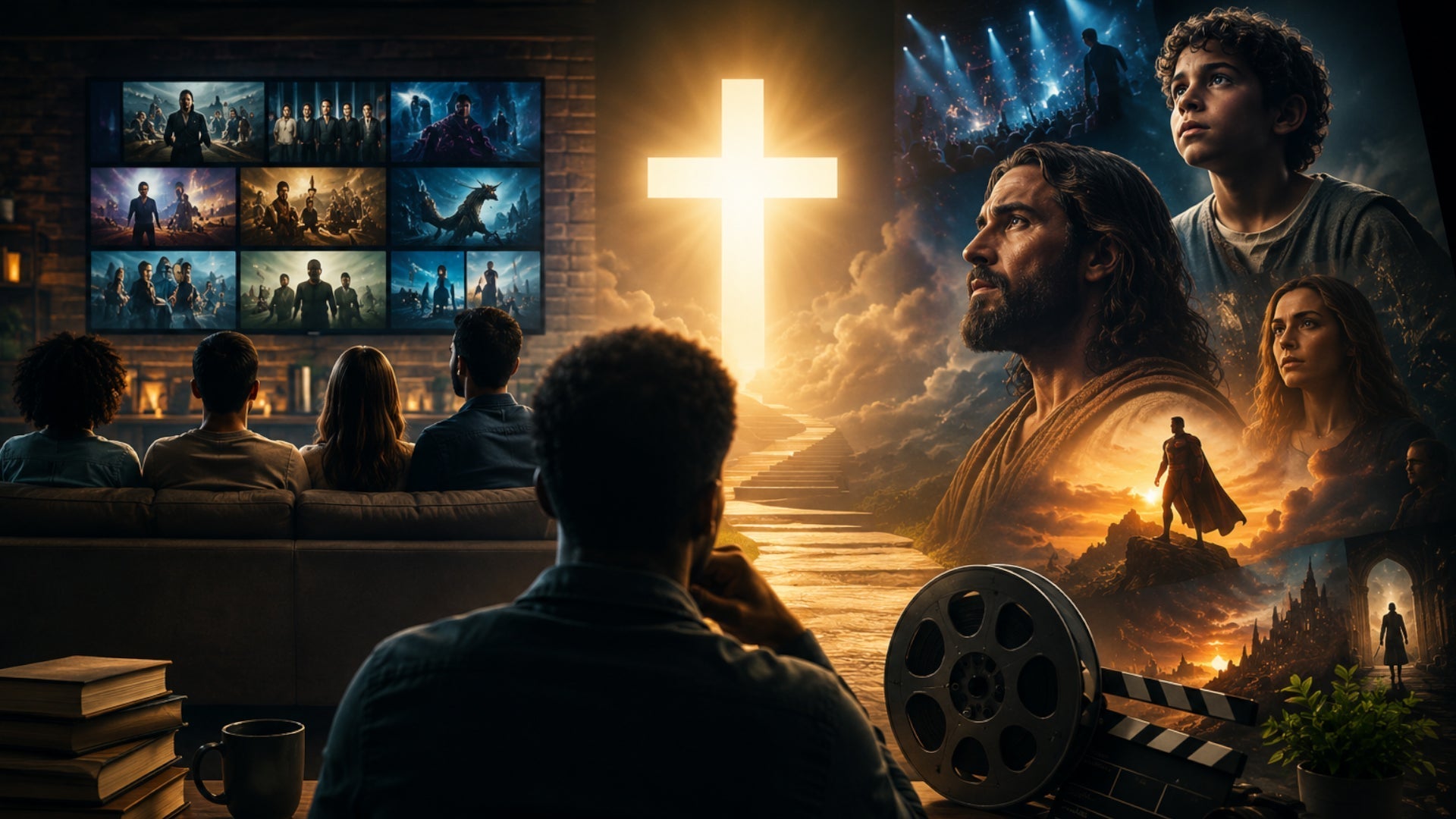
If we want different outcomes for the next generation, then we must become more intentional about the culture we create around them. This conviction is one of the driving forces behind House of Faith and FaithStream. At House of Faith, we believe media is not merely entertainment. It is influence. It is formation. It is cultural architecture. And if destructive narratives can shape a generation, then surely wholesome, value-driven, faith-conscious storytelling can help restore one.
But FaithStream cannot do this alone.
We need producers who understand purpose beyond profit. We need animators willing to create worlds that inspire rather than confuse. We need writers courageous enough to tell stories rooted in truth, hope, compassion, discipline, family, faith, and redemption. We need actors, musicians, directors, educators, churches, investors, and storytellers willing to help push back against destructive narratives and participate in rebuilding the moral imagination of our children.
Because the battle for the next generation will not only be fought in classrooms, governments, or even churches. It is already being fought on screens.
And while we may never fully shield our children from the world, we must at least ensure that we are actively building alternatives, stories that nourish their minds, protect their innocence, strengthen their values, and inspire their future.
Children deserve more than endless content. They deserve healthy imagination. They deserve stories that build faith instead of fear, purpose instead of confusion, hope instead of hopelessness, discipline instead of rebellion.
The future of our children will, in many ways, be shaped by the stories we allow into their hearts today. And perhaps one of the great responsibilities of our generation is to ensure those stories are worthy of them.


Share:
Action Is the Bridge: Why Mental Health Awareness Week Hits Different for Me
The Father as Leader: Why Fatherhood Deserves the Same Intentionality We Give Our Careers