
By Kunle Falodun, Co-founder, House of Faith
Recent shifts in the African streaming market, including the announcement of a major streaming platform's closure, remind us that the challenge in Africa is not in the demand for African stories, but building sustainable models that reach audiences where they are.
Recent shifts in the African streaming market, including the announcement of a major streaming platform's closure, remind us that the challenge in Africa is not in the demand for African stories, but building sustainable models that reach audiences where they are.
While some commentators have framed the recent changes in the market as a setback and others have questioned whether the African streaming market was overestimated in the first place, I believe that what we are witnessing is not the failure of streaming in Africa, it is the right-sizing of the industry for African realities.
A Natural Industry Correction
When I spoke recently at Mediasphere Africa, I made a point that feels even more relevant now.
Every emerging media market goes through cycles of experimentation, expansion and correction. The first wave of players often enters with models that have worked elsewhere. Those models then encounter the realities of the local market, and the industry begins to adjust.
That adjustment is not a sign of decline; it is the moment when the market begins to mature. The African streaming industry is simply moving from its early experimental phase into a more sustainable phase.
The Limits of Imported Models
One of the biggest lessons emerging from this period is that Africa cannot simply adopt the streaming playbook developed for Western markets.
The continent presents a very different operating environment:
• Highly price-sensitive audiences
• Fragmented payment systems
• Data affordability challenges
• Multiple languages and cultural markets
• Rapidly evolving but still maturing digital infrastructure
None of these factors diminish the opportunity. In fact, they highlight how large the opportunity actually is. But they also mean that success in Africa requires new thinking and new models, rather than a simple extension of strategies designed for Europe or North America.
In short, Africa does not just need streaming platforms. It needs streaming platforms designed specifically for Africa.
Rewriting the Playbook
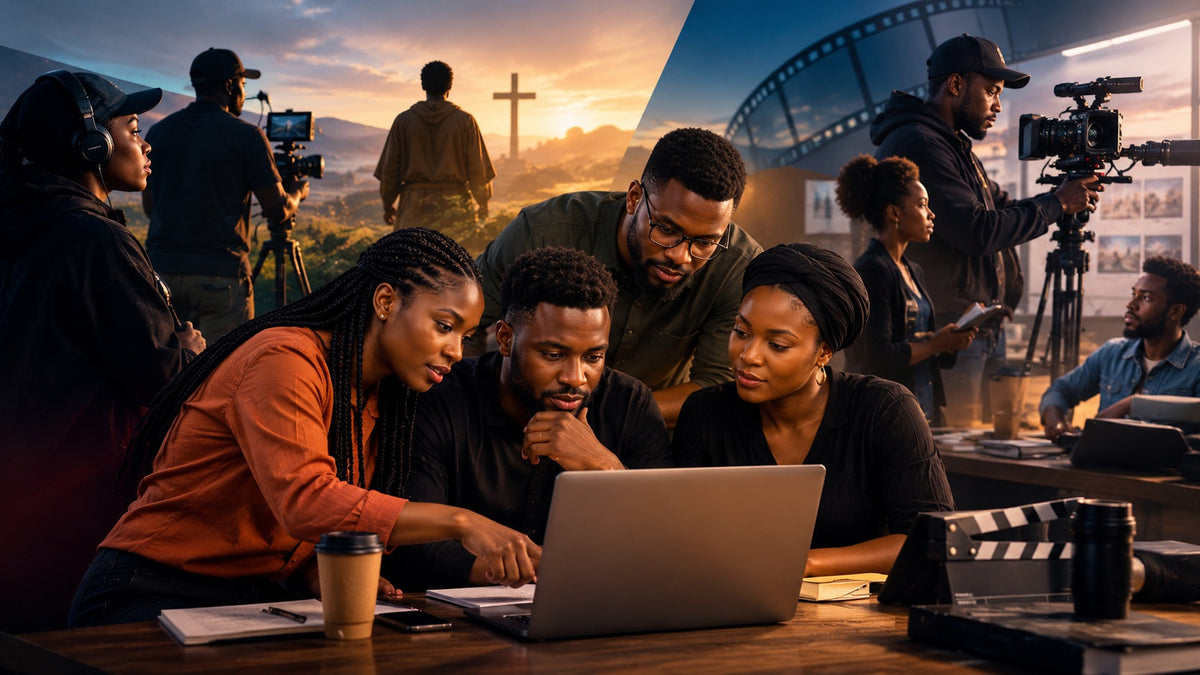
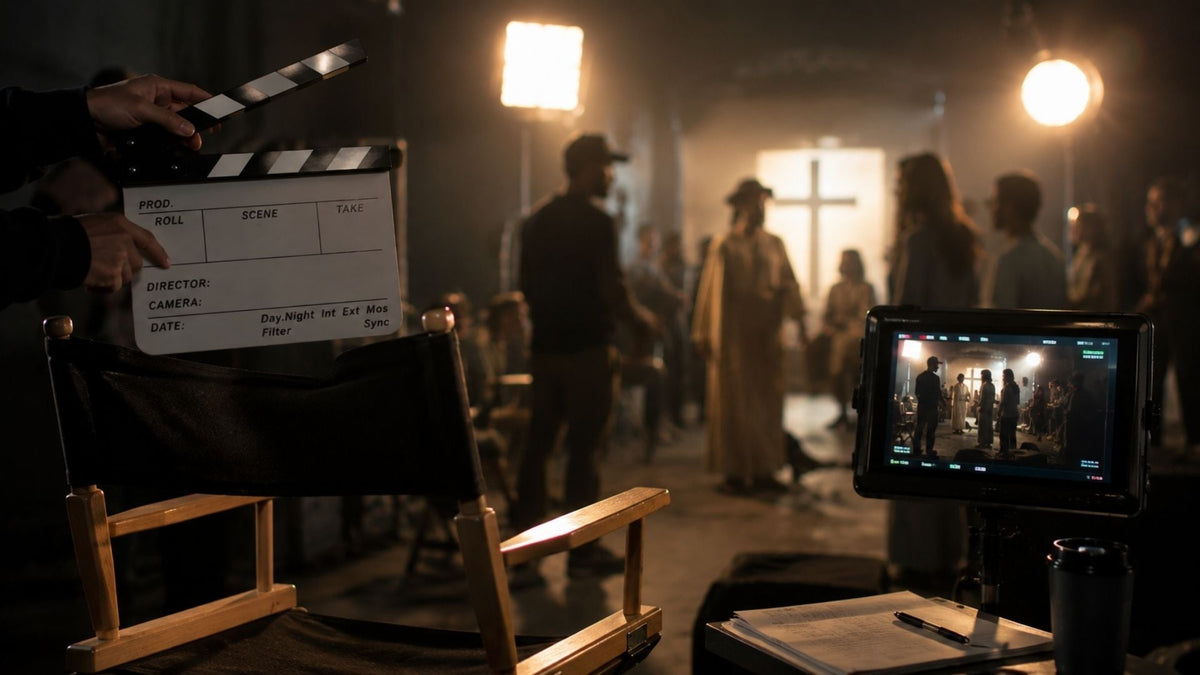
This is precisely the lens through which we have been building at House of Faith.
From the beginning, our work around Faithstream has been driven by a conviction that Africa’s media future will not simply be imported from elsewhere. It will be built locally, culturally and intentionally.
Africa is not short of stories nor is it short of audiences, and it is certainly not short of talent.
What has often been missing is a model that truly aligns with the realities of African consumers and communities.
That is why I believe this current moment, despite the headlines, is actually a moment of opportunity.
The industry is moving beyond its first assumptions. The next generation of platforms will inevitably look different from the first.
They will be more focused, more culturally anchored, more innovative in how they reach audiences annd more aligned with how Africans actually consume media.
The continent presents a very different operating environment:
• Highly price-sensitive audiences
• Fragmented payment systems
• Data affordability challenges
• Multiple languages and cultural markets
• Rapidly evolving but still maturing digital infrastructure
None of these factors diminish the opportunity. In fact, they highlight how large the opportunity actually is. But they also mean that success in Africa requires new thinking and new models, rather than a simple extension of strategies designed for Europe or North America.
In short, Africa does not just need streaming platforms. It needs streaming platforms designed specifically for Africa.
Rewriting the Playbook
This is precisely the lens through which we have been building at House of Faith.
From the beginning, our work around Faithstream has been driven by a conviction that Africa’s media future will not simply be imported from elsewhere. It will be built locally, culturally and intentionally.
Africa is not short of stories nor is it short of audiences, and it is certainly not short of talent.
What has often been missing is a model that truly aligns with the realities of African consumers and communities.
That is why I believe this current moment, despite the headlines, is actually a moment of opportunity.
The industry is moving beyond its first assumptions. The next generation of platforms will inevitably look different from the first.
They will be more focused, more culturally anchored, more innovative in how they reach audiences annd more aligned with how Africans actually consume media.
This is the thinking that has shaped Faithstream, which has now begun its journey.

The Future of African Streaming
It is easy to interpret industry recalibration as pessimism; I see it differently. Every major media shift from cable television to digital video has gone through similar phases. The early excitement is followed by a period of recalibration, where the industry begins to understand what truly works.
Africa is simply entering that phase now. The streaming opportunity here has not disappeared, if anything, it is becoming clearer. The future of African streaming will likely belong to platforms built for Africa rather than those expanded into it. Platforms that understand community, recognise the cultural and spiritual fabric of the continent and innovate around distribution and accessibility.
That is the industry's direction, and for those of us building for the long term, it remains an incredibly exciting future.
The Next Chapter
Africa remains one of the most dynamic media markets in the world, with its young population, a mobile-first audience and a deep cultural appetite for storytelling. Those fundamentals have not changed, if anything, they are becoming stronger.
So while the current wave of commentary may focus on exits, restructuring and recalibration, I would argue that the bigger story is something else entirely.
It is easy to interpret industry recalibration as pessimism; I see it differently. Every major media shift from cable television to digital video has gone through similar phases. The early excitement is followed by a period of recalibration, where the industry begins to understand what truly works.
Africa is simply entering that phase now. The streaming opportunity here has not disappeared, if anything, it is becoming clearer. The future of African streaming will likely belong to platforms built for Africa rather than those expanded into it. Platforms that understand community, recognise the cultural and spiritual fabric of the continent and innovate around distribution and accessibility.
That is the industry's direction, and for those of us building for the long term, it remains an incredibly exciting future.
The Next Chapter
Africa remains one of the most dynamic media markets in the world, with its young population, a mobile-first audience and a deep cultural appetite for storytelling. Those fundamentals have not changed, if anything, they are becoming stronger.
So while the current wave of commentary may focus on exits, restructuring and recalibration, I would argue that the bigger story is something else entirely.
The African streaming industry is not retreating, it is evolving, and in that evolution, a new generation of platforms built with Africa at the centre of the design will begin to emerge.
In many ways, that story is only just beginning.
In many ways, that story is only just beginning.

Share:
House of Faith Launches FaithStream, Africa's First Premium Faith-Based Streaming Platform, Now Available Globally
Building In Silence: What Resurrection Really Teaches Us About Uncertain Seasons